Primary 1 Examination Questions For First Term
Basic School Exam Questions for First term.Basic 1/Primary 1 Examination Questions 1st term all Subjects Objectives and Theory–Edudelight Exam
History Primary 1 Examination Question for First Term
INSTRUCTION – Answer all the questions. Choose the correct answer from the options A – C.
SECTION A: OBJECTIVES
1). Indigenous people are also known as ____ or _____ people (a) first, dull (b) second naïve (c) first, native
2). The indigenous people of a community or state are also known as ______ (a) indigo (b) indigenes (c) colour
3). A person who arrived from another place to live in another community is known as ____(a) non-citizen (b) non-settle (c) non-indegenes
4). Non-indegenes can cause ____ (a) love (b) hatred (c) care
5). There are ____ states in Nigeria (a) 24 (b) 36 (c) 34
SECTION B: WRITE ‘TRUE’ or ‘FALSE’
6). The indigenous people of Lagos are Edo, Esan (Ishan)?__________
7). The indigenous people of Anambra are Onitsha, Umueri?____________
8). The indigenous people of Edo are Yoruba, Awori , Egun, Ijebu? ____________
9). The indigenous people of Ogun state are Ibadan, oyo, ibarapa? ____________
10). The indigenous people of Kano are Hausa? ________
SECTION C: WRITE ‘YES’ or ‘NO’
11). There are more than 250 Ethnic groups or tribes in Nigeria? _________
12). The three (3) largest of the ethnic groups are the Hausa, Yoruba , Igbo (Ibo)? __________
13). There are six largest ethnic groups?___________
14). A person born in Nigeria is called a citizen? ________
15). Nigeria is found in the Northern part of Africa in the map? ___________
SECTION D: Identify, Match the group of Nigerian people
16). The TIV people In the South, south
17). The Yoruba In the North
18). The Igbo(ibo) In the South East
19). The Hausa(Fulani) South West
20). The Efik North Central
SECTION E: THEORY (Answer 4 questions out of 5)
Fill in the gap by underlining the right answer
1a) A_________ is a human settlement ( Town , State )
1b). An example of town are these except_____________ ( Akure town , home town )
2a)______ overcome their fear of danger in order to do good for others ( heroine , heroes)
2b) The ______________ of a book , play or story is the main character who has good qualities ( hero, actress )
3a) Some examples of heroes are Ahamadu Bello and _______________________________ ( Obafemi Awolowo , Florida Ugonna)
3b) A_____ is a girl or woman who has doen something brave ( heroine, heroes)
4) Some examples of heroine ( woman) are Madam Efunroye Tinubu and ______________ ( Margaret Florida, Margret Ekpo )
5a) The qualities of heroes and heroines are courage, honesty, and____ ( patience, fighting)
5b). Fill in the gap
i) Nigeria’s call ____________( obey , disobey )
ii) O God of ___________ ( creator , creation )
iii) Direct our _____course ( notes , noble )
iv) To serve our _______ land ( father , mother )
v) I pledge to _______ my country ( Ghana , Nigeria )
History Objectives (OBJ) Questions Answers
1.C
2.B
3.C
4.B
5.B
6. False
7. True
8. False
9. False
10. True
11.Yes
12. Yes
13. Yes
14. Yes
15. No
16. North central
17. South West
18. South east
19. In the North
20. South, south
THEORY: SECTION E ( Answers)
1A. Town
1B. Hometown
2a. Heroes
2b. Hero
3a. Obefemi Awolowo
3b. Heroine
4. Margret Ekpo
5a. Patience
5b. (i) Obey
(ii) Creation
(iii) Noble
(iv) Father
(v) Nigeria
Agricultural Science Primary 1 Examination Question for First Term
SECTION A Choose the correct answer from the options:
- ___ is gotten from the farm. (a) Indomie (b) Yam (c) Yogurt
- ___________ is a person who plants different seeds. (a) Crop builder (b) Crop feeder (c) Crop planter
- _______ is a part of crop plant. (a) Narvel (b) Horn (c) Root
- Plants are used for _________. (a) bathing (b) beautification (c) smelling
- One of the examples of harmful plant is __________. (a) mango tree (b) coral plant (c) tall tree
- ______________is the top part of the ground where plant grows. (a) Soil. (b) Water (c) Food
- _________ provides shelter for animals and people. (a) Agriculture (b) Teacher (c) Priest
- There are _________ types of soil. (a) seven (b) three (c) five
- __________ is an example of farm animal. (a) Lion (b) Goat (c) Kangaroo
- A person who grow crops and rear animals is called a __________. (a) teacher (b) farmer (c) doctor
- Vegetables are mostly ___ plants (a) red (b) leafy (c) tuber
- Flowering plants produce ___ (a) roots (b) flowers (c) branches
- The part of the plant that is in the soil is called the ___ (a) land (b) root (c) branch
- Ewedu is an example of ___ that is common among the Yoruba in Nigeria (a) fruit (b) tuber (c) vegetable
- Food plants are used as ___ (a) cash (b) food (c) medicine
- The part of the flowering plant that is above the soil is called the ___(a) shoot (b) root (c) leaf
- Rice and beans are plants that can be used as ___(a) food (b) fuel (c) decoration
- Oranges, apples and bananas are examples of ___(a) fruits (b) fuel (c) engine
- Grains are eaten by ___(a) lions (b) dogs (c) birds
- Cows eat ___(a) bones (b) flesh (c) grass
- Rabbits like to eat ___(a) bread (b) carrots (c) chicken
- We can feed our hen and chicken with ___ (a)milk (b) alcoholic (c) maize
- ___ is a bad plant that we must not touch (a) Indian hemp (b) maize (c) apple
- ___ is used as transport (a) chicken (b) horse (c) earthworm
- Sun energy is also known as ___ energy (à) solar (b) wind (c) earth
- ____ supports plants and animals (a) sunlight (b) radio (c) cow
- ___ gives us warmth (a) sun (b) grass (c) oil
- We can use plants for ___[a] medicine[b] petrol [c] kerosene
- A flowering plant has ___[a] leaf [b] button [c] tail
- A person who plant crops is called _____[a] doctor [b] teacher [c] farmer
- One of the importance of agriculture is _____[a] for food [b] for dancing [c] for playing
- Which of these is a harmful plant? [a] Tobacco [b] Tea [c] Fruit
- Which of the following is a part of plant? [a] Fruit [b] Stone [c] soil
- Example of farm animal that lives in water is ____[a] fish [b] dog [c] elephant
- We use _____ to prepare moi-moi. [a] cassava [b] beans [c] rice
- Farm animal helps us in ____[a] school [b] farm [c] market
- _____ is used for medical purpose.[a] Yam [b] Lime [c] Cassava
- _____ is a common crop plant. [a] water leaf [b] maize [c] dress
- ____ are used to beautify our surroundings.
[a] sticks [b] books [c] flowers
40. We can get milk from ___[a] lion [b] cat [c] cow
Agricultural Science Objectives (OBJ) Questions Answers
1.B
2.C
3.C
4.B
5.B
6.A
7.A
8.B
9.B
10.B
11.B
12.
13.B
14.C
15.B
16.A
17.A
18.A
19.C
20.C
21.B
22.C
23.A
24.B
25.A
26.A
27.A
28.A
29.A
30.C
31.A
32.A
33.A
34.A
35.B
36.B
37.B
38.B
39.C
40.C
SECTION B Attempt all questions.
1. ____________________ is the cultivation of land and rearing of animal
2. List 2 uses of farm animals.
I. ____________________
II. ____________________
3. Write out 3 common crops plants you know.
I. ____________________
II. ____________________
III. ____________________
4. ____________________ is dangerous to human body.
5. Mention 3 local farm animal.
I. ____________________
II. ____________________
III. ____________________
Mention three vegetable plants
I. ____________________
II. ____________________
III. ____________________
Mention three types of soil
I. ____________________
II. ____________________
III. ____________________
Basic Science Primary one (1) Examination Question for First Term
INSTRUCTION – Answer all the questions. Choose the correct answer from the options A – C.
SECTION A
- ______ are things that are alive. A. Living things B. Non-living things
- Living things ______ in and out. A. can breathe B. cannot breathe
- ______ need air, food or water. A. Living things B. Non-living things
- ______ can move, grow and reproduce. A. Living things B. Non-living things
- Human, plants and animals are examples of ______. A. Living things B. Non-living things
Underline or Choose Yes if it is living things.
- Is Car a living thing? A. Yes B. Maybe C. No
- Is Man a living thing? A. Yes B. Maybe C. No
- Is Grass a living thing? A. Yes B. Maybe C. No
- Is Teacher a living thing? A. Yes B. Maybe C. No
- Is Stone a living thing? A. Yes B. Maybe C. No
- _____is the liquid that descends from the clouds as rain, forms streams, lakes, and seas. A. Water B. Tap C. Well
- _____water flow from one place to another. A. Well B. Lake C. River
- _____water drops from the sky. A. Well B. Rain C. River
- _____ is a large body of water. A. Sea B. Well C. River
- _____water run through a pipe. A. Tap B. Well C. River
- ___________ aid digestion. A. Food B. Meat C. Water
- Which of the following is NOT an Examples of living things in our home? A. Flies B. Goat C. Water
- Which of the following is NOT an Examples of non-living things in our school? A. Flies B. Desk C. Pen
- Which of the following is NOT an Examples of non-living things in our home? A. Fan B. Television C. Dog
- Touch light needs __________ to light up. A. Fan B. Television C. batteries
- Car needs __________ and __________ to work A. Fan and fuel B. engine and petroleum/fuel. Television C. batteries and fuel
- Television, radio, fridge, etc. need __________ to work A. electricity B. Television C. batteries
- To dry a fish, we need __________ A. electricity B. fire or sun C. batteries
- We use energy for lights and appliances. For example – electrical energy, solar energy, etc. A. True B. False C. Maybe
- All living things need energy too. For example, organic and heat energy A. True B. False C. Maybe
- We need the sun to dry our clothes, food, etc. A. True B. False C. Maybe
- All of the following produce light energy except___ A. Fire B. Sun C. Wood
- All of the following produce chemical energy except___ A. Fire B. Diesel C. Wood
- All of the following produce Electrical energy except___ A. Battery B. Diesel C. Solar
- All of the following produce Heat energy except___ A. Battery B. Firewood C. Sun
- The two forms of energy from the sun are light and heat energy. A. True B. False C. Maybe
- Solar energy gets to the earth as light and heat energy. A. True B. False C. Maybe
- Wind energy is converted by windmill device to mechanical energy, which is used to grind maize, wheat or some other items. A. True B. False C. Maybe
- The energy changes that take place in a torchlight is_______ A. Solar energy B. chemical energy C. Wind energy
- ____ is the ability to do work or get work do. A. Knife B. Energy C. Motor
- All of the following are the sources of light energy except___ A. Wood B. Fire C. Sun
- ________________ energy are energy that produces light. A. Light Energy B. Solar energy C. Mechanical energy
- Light energy is used in ________________ the street light without electricity. A. Power B. Solar C. Machine
- Which of the following is NOT an Examples of Water Transportation ? A. Boat B. Television C. Ships
- _______ is the movement of people and goods from one to another by water. A. Water closet B. Water Transportation C. Motor Transportation
Basic Science Science Objectives (OBJ) Questions Answers
1.A
2.A
3.A
4.A
5.A
6.C
7.A
8.A
9.A
10.C
11.A
12.C
13.B
14.A
15.A
16.C
17.C
18.A
19.C
20.C
21.B
22.A
23.B
24.A
25.A
26.A
27.C
28.A
29.B
30.A
31.A
32.A
33.A
34.B
35.B
36.A
37.A
38.A
39.B
40.B
THEORY
- Explain what water is.
- Mention 4 source of water.
- State 4 common sources of water.
- State any three uses of water.
- Enumerate the importance of water.
- Explain the meaning of water transportation.
- State 3 means of water transportation.
- Mention 3 advantages of water transportation.
- Explain 3 disadvantages of water transportation.
- Find out 10 non-living things at home.
- Identify and state 5 non-living thing.
- Identify non-living things in their classroom.
- Identify at least 5 non-living things at home
- Mention three uses of energy.
- Define energy.
- List two sounds of energy.
- What is energy?
- List five forms of energy
- When batteries are used in torchlight, which energy conversions have taken place?
- Solar energy can be converted directly to _______________________________________using _______________________________
- Find out 10 non living things at home.
- Identify and state 5 non living thing.
- Identify non-living things in their classroom.
- Identify at least 5 non living things at home
CRS Primary 1 Examination Question for First Term
OBJECTIVE PARTS: SECTION A
ANSWER ALL QUESTION CORRECTLY
- ________ is a man of prayers (a)God (b) Jesus (c) Satan
- Jesus ______ before choosing his disciples (a) Prayed (b) Dance (c) sing
- God Helped Jesus to choose ________ disciples (a) Ten (b) eleven (c) twelve
- Jesus prayed before raising ______ from the Dead (a) Abel (b) Steven (c) Lazarus
- Jesus called the name of Lazarus In A _____ voice(a) Loud (b) Small (c) quiet
- Lazarus had died since ________ days before raising. Jesus Came to raised him (a) Three (b) Four (c) Five
- Jesus fed __________ thousand people (a) three (b) four (c) Five
- Jesus fed them with _______ loaves of bread(a)five (b) three (c) four
- Jesus fed them with ____ fishes (a) one (b) two (c) three
- We all prayed to ______ for something(a) God(b)father(c) Friend
- God is omnipotent means. He is ____ (a) all powerful (b) all weakness (c) slow
- God is Omnipresent means. He is _______ (a) all invisible (b) everywhere (c) the creator
- God is Omniscience means. He is ________ (a) all knowing (b) all powerful (c) all weak
- We should not ______ God. (a) fear (b) abuse (c) respect
- Show respect to your _________ (a) teachers (b) parents (c) A&B
- _______ made all things. (a) Jesus (b) Satan (c) God
- The creator made human out of ______ (a) water (b) dust (c) flesh
- God made human beings for _____(a) angels (b) himself (c) Adam
- _______ was the first man God created. (a) Cain (b) Abel (c) Adam
- God created the ________ to give us light during the day. (a) star (b) moon (c)sun
- He made the ___________ to give us light at night. (a) sun (b) animals (c) moon
- It took God ____ days to create all things. (a) 6 (b) 7 (c) 8
- The Israelites were slaves in ___ (a) Mecca (b) Egypt (c) Niger
- _____ led the Israelites through the _____ on dry land. (a) Aaron, River Jordan (b) Moses, Red sea (c) Pharaoh, River Benue
- ________ killed the first son of the Epyptians. (a) Moses (b) Aaron (c) God
- We should ______God and other people. (a) hate (b) love (c) dishonor
- We respect God by _______ his commandment. (a) obeying (b) cursing (c) disobey
- God made man in __________ image. (a) animal (b) his own (c) angels
- God gave man ______ over everything. He has created. (a) dominion (b) money (c) praise
- Animals and plants are used as _____________ by man. (a) waste (b) food (c) garbage
- Which parable features God’s love for man? (a) The rich fool (b) The lost coin (c) The prodigal son (d) The rich man and Lazarus
- The following are examples of learner disobedience except (a) Rudeness (b) Kindness (c) Refusal to run errands (d) Skipping classes
- The following are attributes of God except (a) Goodness (b) Wickedness (c) Omnipotent (d) Omniscient
- How did God create man? (a) Big (b) Small (c) In his might (d) In his own image
- In the second creation story, God made a _________ to cover the earth. (a) Cloud (b) Mist (c) Smoke (d) Sound
- Esau sold Jacob his ________ (a) Power (b) Clothes (c) Birthright (d) Features
- Disobedience is the act of (a) Doing what you are told (b) Doing what you like (c) Not doing what you like (d) Not doing what you are told to do
- The two steps involves in reconciliation are (a) Sadness and joy (b) Repentance and appreciation (c) Repentance and forgiveness (d) Repentance and actualization
- The nuclear family includes (a) Grandfather and Children (b) Father, Mother and Children (c) Father, Mother and Grandchildren (d) Great Grandfather and Uncle.
- Jesus was born in the ____ [a] manger [b] house [c] Hospital
CRS Objectives (OBJ) Questions Answers
1.B 2.A 3.C 4.C 5.A 6.A 7.C 8.A 9.B
10.A 11.A 12.B 13.A 14.B 15.C 16.C 17.B
18.B 19.C 20.C 21.C 22.A 23.B 24.B 25.C
26.B 27.A 28.B 29.A 30.B 31.C 32.B 33.B
34.D 35.A 36.C 37.D 38.C 39.B 40.A
THEORY
- Mention 5 things God Created.______
- Mention 5 things made by man._____
- Mention 5 living things God created.______
List one (1) thing made by man out of the following
- wood e.g table, ___________________
- soil e.g pot, ___________________
- Cotton e.g cloth ___________________
- rubber e.g tyre ___________________
- plants e.g broom ___________________
1. In the beginning God created _________ and ________.
2. Mention 3 things that God created.
3. __________________was born in Bethlehem.
4. The first man God created is __________________.
5. __________________ is member of our family.
CCA Primary one (1) Examination Question First Term
INSTRUCTION – Answer all the questions. Choose the correct answer from the options A– C.
- Drama means _____________. A. Act B. Play C. Dance
- There are _____________ types of drama. A. 4 B. 40 C. 44
- ____________ drama makes you smile and laugh. A. Comedy B. Melodrama C. Musical drama
- ____________ drama is an emotional drama. A. Musical drama B. Melodrama C. Comedy
- Tragedy drama makes ones to ________. A. Sad B. Happy C. Laugh
- Comedy drama makes you _________. A. Smile and laugh B. Laugh and cry C. Smile and cry
- Melodrama drama is an _____________ drama. A. Comedy B. Tragedy C. Emotional
- Tragedy drama makes ones to sad and comedy makes ones to smile. A. True B. False C. Maybe
- Tragedy drama makes ones to smile and comedy makes ones to sad. A. True B. False C. Maybe
- _____________ drama contains song, dance and act.. A. Musical drama B. Comedy C. Melodrama
- _____ is the making of beautiful things. A. Art B. Work
- The art of colouring an object _____. A. Painting B. Sculpture
- Ceramic art is also called _____. A. Pottery B. Sculpture
- The art of making patterns on objects is _____. A. Pottery B. Textile
- The art of drawing and design on paper or in the computer is _____. A. Painting B. Graphic
- ________ means drawing and painting something. A. Arts B. Draw C. Paint
- Arts also means ________ beautiful things. A. Making B. Drawing C. Painting
- ___________ means drawing and painting something A. Arts B. Draw C. Pant
- Arts also means ___________ beautiful things. A. Making B. Drawing Painting
- _________ is the making of beautiful things. A. Art B. Work C. Branch
- The art of colouring an object ____A. Painting B. Sculpture C. Graphic
- Ceramic art is also called ___________. A. Pottery B. Sculpture C. Textile
- The art of making patterns on objects is _____ A. Pottery B. Sculpture C. Textile
- The art of drawing and design on paper or in the computer is _______A. Painting B. Sculpture C. Graphic
- _______________ means working together with one another. A. Teamwork B. Individual work C. Classwork
- Teamwork ____________ A. Wastes time B. Saves time C. delays work
- Teamwork enables us to __________ new things. A. See B. Hear C. Learn
- __________ sets clear goals. A. Teamwork B. Individual work C. Classwork
- Part of art are _______ and _________ (a) drawing and painting (b) skipping and watching (c) stepping and jumping
- The process through which our action can be seen, touched, felt, or heard is called ___ (a) drawing (b) art (c) waving
- Hand fan is an example of functional art (a) true (b) false
- ____________ is used for carrying goods (a) mat (b) basket (c) mast
- Art means anything made by ____________ (a) man (b) children (c) European
- ___________ is acting of a play by a group of people (a) show (b) drama (c) work
- The actresses are the ___________ acting in a play (a) boys (b) women (c) men
- The place where a drama is acted is called a ________ (a) stadium (b) road (c) stage
- _____ is an example through which art can be done (a) drawing (b) sitting (c) running
- _______________ is used for sleeping (a) hand fan (b) calabash (c) mat
- ……… is not an element of art [a] color [b] texture [c] constitution
- We use pencil to draw [a] Yes [b] No
CCA Objectives (OBJ) Questions Answers
1.A 2.A 3.A 4.B 5.A 6.A 7.C 8.A 9.B
10.A 11.A 12.A 13.A 14.B 15.B 16.A 17.A
18.A 19.A 20.A 21.A 22.A 23.C 24.C 25.A
26.B 27.C 28.A 29.A 30.B 31.A 32.B 33.A
34.B 35.B 36.C 37.A 38.C 39.C 40.A
THEORY
- Sing the tonic solfas.
- Explain the meaning of art.
- Identify the basic works of arts.
- State 3 types of art.
- Recite one children’s rhymes.
- Explain the meaning of team work.
- State the importance of team work.
- Identify one traditional dance of their area.
- Perform a specified dance in a group.
- Identify functional art works used in the home.
Civic Education Primary one (1) Examination Question First Term
SECTION A Choose the correct answer from the options:
- ______ is the study of right and duties of a citizen. [a] Civic education [b] Human right [c] Duties studies
- Honesty means ________ [a] tolerance [b] truthfulness [c] fighting
- Rules and regulations protects life and __________ .
[a] properties [b] river [c] books
- __________ means working together as one to achieve a common goal. [a] Fighting [b] Stealing [c] Co-operation
- _______ is part of respect. [a] Greetings [b] Crying [c] Weeping
- We must ____ other people views. [a] disrespect [b] respect [c] blame
- Things to respect are _____ [a] market & church [b] toilet & bathroom [c] national anthem & pledge
- We should ________ when the national anthem is going on . [a] sit [b] stand [c] dance
- _____ is the colour of Nigeria flag. [a] Blue White Blue [b] Green White Green [c] Yellow White Yellow
- We should _____ with each other. [a] fight [b] quarrel [c] co – operate
- Civic education is important because _____
[a] it builds us morally [b] it makes us a bad citizen
[c] it make us lazy
- Showing good behavior towards somebody is ____________[a] laughing [b] crying [c] respect
- It is the _______ of the citizens to taxes. [a] duty [b] legacy [c] game
- Unity brings _______[a] peace [b] war [c] enemy
- Children should play only with ______[a] television [b] toys [c] Gas cooker
- We respect people in different ways (a) yes (b) no
- _______ is a system that transmits sound without visual image. A. Newspapers B. Television C. Radio
- The honour and regard given to someone is called____ (a) respect (b) bad (c) clapping
- NTA, AIT, LTV, etc. are examples of _______. A. Newspaper B. Television C. Radio
- ______ and _____ are places to respect (a) church and mosque (b) hotel and field (c) house and party
- The colour of Nigeria flag is ____ and ___(a) green and blue (b) green and white (c) green and yellow
- ________ is the willingness to accept other people’s behavior, beliefs, opinions or practices that are different from your own. A. Patriotism B. Tolerance C. Honesty
- We show respect by running ______ for and elder (a) clapping (b) dancing (c) errands
- Nigeria got her independence on _______ (a) October 1st 1920 (b) October 1st 1929 (c) October 1st 1960
- The first National anthem ‘Nigeria we hail thee was written by ______(a) Lillian Jean (b) John Williams James
- We respect our school by not breaking the chairs or tables (a) true (b) false
- We respect our environment by putting all dirty things in the dustbin (a) true (b) false
- We respect public building by not writing on the walls (a) true (b) false
- Qualities and achievement that can earn respect by saying the truth always (a) true (b) false
- Civic education allows people to live in peace with one another (a) yes (b) no
- Pupils should stand at attention and sing the national anthem (a) true (b) false
- The National Flag was divided into _______ equal parts. (a) four (b) five (c) three
- The family teaches civic education to its members (a) yes (b) no
- Civic education has many advantages (a) true (b) false
- Our national leaders speak for us on national issues (a) yes (b) no
- ____________ is the study of right and duties of a citizen. [a] Civic education [b] Human right [c] Duties studies
- The traffic stand and the National Symbols are part of the things we must respect. (a) Yes (b) No (c) Not sure
- Rules and regulations protects life and ________ [a] properties [b] river [c] books
- ______ means working together as one to achieve a common goal. [a] Fighting [b] Stealing [c] Co-operation
- Who designed the National Flag? (a) Mr. Bolaji Akinwunmi (b) Mr. Taiwo Akinkunmi (c) Mr. Tolu Akinola
Civic Education Objectives (OBJ) Questions Answers
1.A 2.B 3.A 4.C 5.A 6.B 7.C 8.B 9.B
10.C 11.A 12.C 13.A 14.A 15.B 16.A 17.B
18.A 19.B 20.A 21.B 22.B 23.C 24.C 25.A
26.A 27.A 28.A 29.A 30.A 31.A 32.C 33.A
34.A 35.A 36.A 37.A 38.A 39.C 40.B
SECTION B Attempt all questions
1. Civic education is the study of right and duties of a ________________.
2. Mention 2 things to be respected .
I. ________________
II. ________________
3. Every child has right to ________________ .
4. Civic education can be important at ________________ and ________________ .
5. We must respect our __________________
Computer/Information Technology Primary one (1) Examination Question First Term
INSTRUCTION – Answer all the questions. Choose the correct answer from the options A – C.
SECTION A: OBJECTIVES
- Computer looks like a television. A. Yes B. No
- Which computer part has both left click and right click button? (a) keyboard (b) mouse (c) CPU (d) system unit
- Computer can think _______ than you. A. faster B. slower
- Computer is electronic _______.A. toy B. machine
- Does the television look like the monitor? A. Yes B. No
- _____________ is an electronic machine that store information [a] Monitor [b] Pencil [c] Computer
- _________ is not a part of computer. [a] monitor [b] brake [c] system unit
- The part of the computer that like television is called _________. [a] television [b] mirror [c] monitor
- The part of the computer used for typing information is called _______ [a] keyboard [b] typist [c] typewriter
- ________ is a computer related object. [a] Typewriter [b] Book [c] Cupboard
- Speakers give out __________[a] paper [b] money [c] sound
- J as in _________[a] joystick [b] joyreader [c] joyschool
- B as in _________[a] bag [b] abacus [c] anger
- We can use computer for _______[a] playing games [b] eating [c] taking drug
- _________ is the brain of computer . [a] monitor [b] CPU [c] cable
- Computer can be used for sending and receiving ________[a] letter [b] messages [c] books
- Computer can be used for business purposes. [a] True [b] False [c] Maybe
- A computer makes work ________[a] sharper [b] quicker [c] stronger
- One of an input device is ______[a] monitor [b] keyboard [c] paper
- We print out our document with ____[a] keyboard [b] printer [c] scanner
- __________ is used to check the time. (a) calculator (b) wrist watch (c) sun
- One of these is NOT a machine (a) pencil (b) phone (c) radio
- ________ machine works like a computer (a) Ball (b) Box (c) Handset
- Radio and television are examples of machine (a) True (b) False
- Electronic device are machines that uses ______ or battery. (a) water (b) kerosene (c) light
- __________ is NOT a computer related object. (a) Television (b) Calculator (c) Book
- __________ gives power to electronics (a) CUP (b) UPS (c) Water
- We use ________________ to send messages (a) phone (b) iron (c) calculator
- Food and drinks are kept in one of the following electronic machine (a) radio (b) refrigerator (c) blender
- We use ________________ machine to warm our food (a) blender (b) microwave (c) washing machine
- The picture below is a ____________ system unit. (a) tower (b) desktop (c) big (d) straight

32. The part of the system unit used for turning on the system unit is called the ________ button. (a) windows (b) power (c) weak (d) stop
33. The computer is used in the school to _________. (a) fight (b) cook (c) learn (d) iron
34. The desktop computer can be placed on the _________. (a) lap (b) toilet (c) table (d) bathroom.
35. The computer part used for clicking is called _______ (a) scanner (b) mouse (c) plotter (d) output
36. The computer part uses for typing is __. (a) Mouse (b) printer (c) monitor (d) keyboard
37. In a school, we use computer to _. (a) eat. (b) dance (c) learn (d) sleep
38. Anytime daddy wants to shut down the computer system, the first step is to click on the ________ button. (a) start (b) stop (c) left (d) middle
39. The computer part used for playing games is ______. (a) Joystick (b) printer (c) scanner (d) light pen
40. We can use the power button of the computer to ___________ the computer system. (a) start (b) shutdown (c) stop (d) pause
Answers to Computer Objectives Questions
1.A 2.B 3.A 4.B 5.A 6.C 7.B 8.C 9.A
10.A 11.A 12.A 13.A 14.A 15.B 16.B 17.A
18.B 19.B 20.B 21.B 22.A 23.C 24.A 25.C
26.C 27.B 28.A 29.B 30.B 31.B 32.B 33.C
34.C 35.B 36.D 37.C 38.A 39.A 40.B
SECTION A:THEORY
1. Mention the differences between a computer keyboard and Typewriter.
2. Name other parts of a computer.
3. Point to the computer keyboard or on charts.
4. Name and colour the picture of computer parts – keyboard.
5. Mention the differences between a mouse and computer mouse.
6. Name other parts of a computer.
7. Point to the parts of a computer mouse.
8. Name and colour the picture of computer parts – draw.
9. Differentiate between computer keyboard and phone keyboard.
10. Identify system unit among other parts of computer.
SECTION B: THEORY
Attempt all questions .
1. _____________ is an electronic machine that can do many jobs.
2. List the parts of computer.
3. List 3 non – computer related object.
I. __________________________
II. __________________________
III. __________________________
4. List 2 computer related objects.
I. __________________________
II. __________________________
5. Write computer alphabets for the following letters:
I. A –
II. M –
III. G –
IV. K –
Hint for number 5 marking – A for Abacus, M for monitor, G for Game and K – Keyword
Complete the missing letters
(a) R ____ D ____ O
(b) T E ____ ____ V I S ____ ____ N
(c) P ____ G ____ R
(d) C ____ M ____ ____ A
Diction Primary one (1) Examination Question First Term
OBJECTIVE PARTS: SECTION A
Match the word having the same sound together
- SAT Nap
- TIP Tap
- SAN Sap
- NAP San
- PAT Pan
- NIP Tan
- PAN Tip
- TAP Nip
- NAT Tin
- TIN Sat
- TAN Pat
- SAP Nat
Match the vowel letter with the right vowel sounds
13. A / ɒ/
14. E /ʌ/
15. I /e/
16. O /I /
17. U /æ/
Underline the Odd one out
18. / ei/ /bi:/ b /si:/
19. /kju:/ /a:/ /es/ t
20. I /em/ /en/ /ӘU/
English Studies Primary one (1) Examination Question First Term
ANSWER ALL QUESTION CORRECTLY
OBJECTIVE PARTS: SECTION A
ANSWER ALL QUESTION CORRECTLY
| Bed | Bath |
| Morning | O ` Clock |
| Car | Respectful |
| School | Girl |
Read The incomplete story and complete it by filling the gaps with the right words from the box.
A. Efe is a little ______ she is very ________ she goes to school about 8 o` clock in the ___________. Her ______ wake her up as early as 5 _______ in the morning. She has her _____, takes her _________ and gets into the ______by 6:30 AM.
B.. Words and Opposite
Write the opposite of the following words
| WORDS | OPPOSITE |
| Bitter | |
| Clean | |
| Buy | |
| Big | |
| Close | |
| Bad | |
| Fast | |
| Hard | |
| Hard | |
| Empty |
C.. Arrange these words in alphabetical order
- Nephew, Lost, Offend, Marry
________, ________, ________, _________
- Ours, niece, lazy, mistake.
_____, _______, ______,__________
- Neat, mosque, Owl, Liar
_________,_________,______,________
- Safe, Queen, Raise, Person
________,________,________,_________
- Raise, Pain, Travel, Quiet
______,_______,__________,__________
D.. Underline the correct word from the Options
- I am Looking at _____ in the mirror (herself, myself, Yourself)
- Mariam wrote the Poem by _____ ( himself, herself, myself)
- Jan has A book, This is an example of a ______ (command, telling, question).
- What is your Name? This is an example of a _________ sentence (telling, question, Command )
- Children go and take _______ food. ( You, Your, Am)
Identify and name sounds made by various
- Cats _______________
- Cattle_____________
- Chickens ___________
- Cocks ___________
- Dogs ________
- Mention any two Words and it syllables
- Recite rhymes
- Uppercase characters are capital letters; lowercase characters are small letters. Yes / No
- Breaking words down into syllables is a great spelling strategy to help you spell long words. Yes / No
- Break down long words into smaller words e.g. Movement, Sleep, Nursery, Higher, Public, Intonation
- Intonation is the rise and fall of the voice in speaking. Yes / No
- Punctuation is the marks, such as full stop, comma, and brackets, used in writing to separate sentences and their elements and to clarify meaning. Yes / No
E.. From Simple sentence with the following words
- Lazy
- Bad
- Mouth
History Primary one (1) Examination Question First Term
OBJECTIVE PARTS: SECTION A
ANSWER ALL QUESTION CORRECTLY
Who is Regarded as the father of History?
(a) Historian(b)Archaeology(c) Herodoties
2.The study Of Past Events that Has happened Is known as_________
(a)Historian (b)Community (c)History
3. Which Of These is not An Example Of History?
(a)The Story of what had happened in the development of a Family
(b)The Story of What Happened to Nobody
(c)The Story Of The Development of Our Village
4.The Father Of History is a_________
(a) Nigerian(b)Greek(c)British
5. Artifacts Are Found In the________
(a)Museum (b)Library(c)Universities
6. The Study Of Ancient Societies By examining Their Remains Like building, Graves and Tools Is______
(a)Herodotus (b)Archaeology (c)Historian
7. To be A Good Historian You Must Learn to______
(a)Ask Questions (b)Sleep Well(c)Be Kind
8. A Historian will not work In A______
(a) School(b)Library(c)Bank
9. History Helps Us To Understand Culture
( a) True (b)False(c)No Answer
10. The Sense Of belonging to one state or one nation is known as_________
(a) Country(b)National Identity(c)Culture of People
Home Economics Primary one (1) Examination Question First Term
ANSWER ALL QUESTION CORRECTLY
SECTION A Choose the correct answer from the options:
- What is the colour of the hair? (a) black (b) yellow (c) gold
- ___________ is used for smelling (a) Nose (b) ear (c) mouth
- We use _________ and _________ to take our bath? _____[a] sponge and soap [b] sponge and oil [c] sponge only
- Daily care of the body prevents ____________ (a) body odour (b) body clean (c) body food
- Daily care of the body also makes us to be _______ (a) weak (b) healthy (c) smelling
- We should take our bath _________ (a) daily (b) weekly (c) monthly
- Is it good to play with sharp object. (a) True (b) False (c) Never
- Which of these is good for the hair? (a) petrol (b) kerosine (c) cream
- ________ is used to cut our fingernails.(a) nail cutter (b) nail shovel (c) nail hoe
- We comb our hair with ____________ (a) comb (b) fork (c) rake
- We keep our hand clean to prevent ______ (a) soap (b) germ (c) air
- We care for our mouth to prevent _______(a) mouth odour (b) mouth sweat (c) mouth germ
- Is it good to cut our finger nails with knife? (a) True (b) False
- Which of these can be used to dry hands? (a) bed (b) mat (c) towel
- We wash our __________ when dirty? (a) pencil (b) feet (c) book
- Which of these cannot be use to clean our teeth. (a) tooth brush (b) chewing stick (c) hand
- We wash our mouth with __________ (a) sand (b) sponge (c) brush
- We must clean our mouth _______ daily. (a) once (b) twice (c) thrice
- We can clean our mouth with ____. (a) chewing biro (b) chewing stick (c) chewing pencil
- ______ can also be used to wash our mouth. (a) cane (b) tooth brush & tooth paste (c) bread
- Our nails and toe nails must be kept ______[a] short and clean [b] long and neat [c] short and dirty
- Toothpaste is used to wash our _____[a] teeth [b] face [c] burn
- Boys should always ______ their hair. [a] cut [b] retouch [c] weave
- The ____ is used for hearing.[a] ear [b] eye [c] Nose
- __________ is used for eating. [a] mouth [b] nose [c] legs
- The eyes is for _____[a] eat [b] seeing [c] laughing
- We clean our ears with ____[a] cotton buds [b] biros [c] pins
- Taking care of our body will make the body ____ and healthy. [a] dirty [b] neat [c] ugly
- The tongue is found inside the ___[a] head [b] nose [c] mouth
- Our toes can easily get injured if we fail to put on our ______[a] shoes [b] cap [c] belt
- Which part of the body do we use to bite? [a] teeth [b] eye [c] hair
- After bathing we should use _____ to dry our body. [a] towel [b] handkerchief [c] paper
- We should bath with _____[a] sponge and soap [b] sponge and oil [c] sponge only
- Toothpaste is used to wash our _____[a] teeth [b] face [c] burn
- Why do we need to clean our mouth regularly? [a] To prevent eating [b] To prevent mouth odour [c] To gain energy
Answers to Home Economics Questions OBJ
1.A 2.A 3.A 4.A 5.B 6.A 7.C 8.C 9.A
10.A 11.B 12.A 13.B 14.C 15.B 16.C 17.C
18.B 19.B 20.B 21.A 22.A 23.A 24.A 25.A
26.B 27.A 28.B 29.C 30.A 31.A 32.A 33.A
34.A 35.B
SECTION B Attempt all questions.
1. List out 2 materials used for caring our body
I. ____________________
II. ____________________
2. Mention 5 parts of human body you know.
I. ____________________
II. ____________________
III. ____________________
IV. ____________________
V. ____________________
3. List 2 sharp objects.
I. ____________________
II. ____________________
4. How many fingers do we have? ________
5. Eye is for _______________ while nose is for _______________.
- Mention the five sense organs.
- List the uses of the five-sense organ.
- Mention 5 material used for taking care of our body and its uses.
- Mention 2 ways you can care for your hands and feet.
- Mention 3 materials for keeping our teeth clean.
- Mention 2 reasons for cleaning our mouth.
- Mention 3 parts of the body.
Mathematics Primary one (1) Examination Question First Term
INSTRUCTION – Answer all the questions.
Choose the correct answer from the options A – C.
1. Zero means _______[a] everything
[b] nothing [c] ten
2. Triangle has many sizes? [a] 4 [b] 5 [c] 3
3. 4 x 3 =_____ [a] 12 [b] 13 [c] 14
4. 5 x 2 =______ [a] 9 [b] 8 [c] 10
5. Write 13 in words _______ [a] Twelve
[b] Thirteen [c] Seven
6. 17 take away 7_____ [a] 9 [b] 8 [c] 10
7. 19 take away 2______ [a] 18 [b] 17 [c] 16
8. / / / / = [a] 5 units [b] 4 units [c] 3 units
9. / / / / / / / / / / = ____units [a] 10 [b] 9 [c] 8
10. 13 + 12 = _____ [a] 26 [b] 24 [c] 25
11. Count together.
S S S S S S S S S S S S
[a] 12 [b] 13 [c] 11
12. How many pencils are there?
✏️✏️✏️✏️✏️✏️
[a] 8 [b] 9 [c] 6
13. Write the fraction of this shaded part.
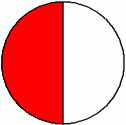
[a] 2/2 [b] ½ [c] 2/3
14. Write the number from smallest to biggest?
2 5 4 3 1. [a] 4, 1, 2, 3, 5 [b] 1, 2, 3, 4, 5 [c] 3, 1, 2, 5, 4
15. Write the number from biggest to smallest?
2 5 4 3 1. [a] 4, 1, 2, 3, 5 [b] 1, 2, 3, 4, 5 [c] 5, 4, 3, 2, 1
SECTION B Answer all questions.
1. Tick the group of ten.
AAAAAAAAAAA BBBBBBBBBB
CCCCCCCCCCCC DDDDDDDDDD
2. Write the fractions of these shaded part?
a.

___________________
b.

___________________
c.
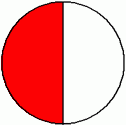
___________________
d.
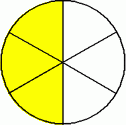
___________________
3. Addition and subtraction of numbers:
a. 3 2 b. 4 2 c. 9 5 d. 8 4
+ 3 2 + 2 5 – 6 2 + 3 3
_______ _______ _______ _______
_______ _______ _______ _______
4. Complete the place value of the following:
a. 1 4 = _______ tens _______ unit
b. _______ = 1 ten 6 unit
c. 1 7 = _______ tens 7 unit
d. 2 0 = 2 tens _______ unit
5. Write these figure:
a. Five = _______
b. Seventeen = _______
c. Fourteen = _______
d. Twelve = _______
Complete these number lines:
a.
<———-|————-|————|————-|————-¦————–|————|———–>
0———-1————-|————-3————|———–5————|————7———–8
b.
<———-|————-|————|————-|————-¦————–|————|———–>
0———-|————-|————-3————|———–|————6————7———–8
PHE Primary one (1) Examination Question First Term
INSTRUCTION – Answer all the questions. Choose the correct answer from the options A – C.
- ________ means moving from one place to another. A. Movement B. Waiting
- ________ is the activities moving at a moderate pace. A. Waiting B. Walking
- ________ is the activities moving fast on foot. A. Walking B. Running
- ________ is the activities of lifting one’s body from the ground. A. Flying B. Jumping
- ________ means moving from one place to another. A. Movement B. Waiting
- ________ is the activities of moving by jumping with two feet or both at once. A. Hopping B. Stepping
- ________ is the activities of moving by putting one leg in front of running by walking or running.
A. Hopping B. Stepping
- ________ is the activities of moving of large long jump. A. Stepping B. Leaping
- We also run in the high jump. (a) Yes (b) No
- High jump is jumping over a raised bar. (a) Yes (b) No
- The run up is running towards the raised bar. (a) Yes (b) No
- Take off means jumping high. (a) Yes (b) No
- We should look back when running towards the bar. (a) Yes (b) No
- The skills involved in the high jump are the following except____ (a) The take-off (b) Stepping (c) The run
- To throw an object like ball, grip the ball firmly with two (2) hands if it is ____(a) Small Ball (b) Big ball
- To throw object like ball, grip the ball firmly with one hand and release is____. (a) Small Ball (b) Big ball
- ______ an object is when you quickly holding an object (e.g. ball) that is throw at you. (a) Catching (b) Throwing
- To be able to catch a ball thrown at you, follow the following instructions except____ (a) Mouth on the ball (b) Eyes on the ball
- _____ rules are the conditions of being safe from get hurt, injury, or loss. (a) Safety (b) Throwing
- _____means Lift up one foot and putting it down in another spot, as in walking. (a) Safety (b) Stepping (c) Leaping
- ____ means Lift both arms up as you move by lifting your legs as the same time (a) Safety (b) Stepping (c) Leaping
- _____ means Lift up one leg and lean on the same as the other supports the body, then jump and land on the same foot. (a) Hopping (b) Stepping (c) Leaping
- _____ distance races are race we run for a short time. A. Long B. Short
- Which of the following is NOT Examples of Short Distance Races (a) 25 Metres (b) 75 metres (c) 123 metres
- The important skills to know in short distance race are the following except_____ (a) The start (b) The Set (c) The bottom
- Which of the following is NOT Examples of Safety rules in Athletics (a) Stay hydrated (b) Be fighting with one another (c) Follow the simple instructions
- The simple jump involves jumping over raised bars. (a) True (b) No
- ______ means You must jump very high to clear the bar. (a) The take-off (b) Stepping (c) The run
- ______ means jumping over the raised bar (a) The take-off (b) The landing (c) The flight
- Which of the following is NOT Examples of Safety rules in Simple jump (a) Warm up and stretch (b) Be fighting with one another (c) Follow the simple instructions
PHE Objectives (OBJ) Questions Answers
1.A 2.B 3.B 4.B 5.A 6.A 7.A 8.B 9.A
10.A 11.A 12.A 13.B 14.B 15.B 16.A 17.A
18.B 19.A 20.B 21.C 22.A 23.B 24.C 25.C
26.B 27.A 28.A 29.C 30.B
THEORY
1A. Grasp, pick up small object with one hand, and release it.
1B. Catch and strike an object thrown at them.
1C. Differentiate between catching and striking balls.
2. Mention safety rules on the playground.
3. Perform simple athletic activities – running.
4. Perform 25, 50 and 75 metres dash showing start from and finish.
5. Mention safety rules on short distance races (50 metres dash and simple jumps).
Security Education Primary one (1) Examination Question First Term
INSTRUCTION – Answer all the questions. Choose the correct answer from the options A – C.
- Security is the state of being free from danger or ________. A. People B. family C. threat
- ________ is when you are not feeling safe or free from dangers. A. Security B. Insecurity C. Peace of mind
- ________ are the basic information or knowledge of potential harm caused by people or objects. A. Security facts B. Insecurity facts C. Facts about insecurity
- ________ is the state of being free from all dangers or harms at home, in the school or anywhere you are. A. Security B. Insecurity C. Service
- _______ is someone who you don’t know or one who is not familiar. A. Family B. Friend C. Stranger
- Security is the state of being free from danger or ________. A. People B. family C. threat
- A security _____ is anybody trained and employed to protect life and prosperity from dangers or hazards. A. Security men B. personnel C. workers security
- A security personnel is also known as security guard or security___. A. Security facts B. officer C. Men secure
- Nigeria security personnel are the security officers trained and employed by the ______ of a state A. Security B. Police C. government
- ________ is someone who you don’t know or one who is not familiar. A. Family B. Friend C. Stranger
- _________ are signal send to inform people of the danger ahead. A. Security alerts B. Security man C. Security signs
- The consequences of neglecting the security alert or sign are as follows except____ A. Accident B. Arrest and punishment C. Life
- Traffic light has _________ colours. A. 3 B. 4 C. 5
- _________ is the signal used to control the free movement of traffic. A. Traffic movement B. Traffic lights C. Traffic man
- The colour that tells the drivers to stop is _________. A. green B. yellow C. red
- The yellow colour tell the drivers to _________. A. READY TO GO B. STOP C. GO
- _________ tells the driver to start driving or keep driving. A. Green B. Yellow C. Red
- _________ are used for preventing unauthorized persons to gain access. A. Security cameras B. Security locked C. Security lights
- _________ are used for recording events. A. Security cameras B. Security locked C. Security lights
- _________ are used for unwanted objects. A. Security scanners B. Security vans C. Security guns
- _________ are used to move valuable item from one place to another. A. Security scanners B. Security vans C. Security spray
- _________ are used to escape from a criminal. A. Security scanners B. Security vans C. Security spray
- _________ are tools used to send signals of places where is a danger. A. Security lights B. Security gadgets C. Security colours
- Security colours are also known as _________. A. safety colour B. safety belt C. Safety rules
- ___________ is the precautions taken at home to ensure safety of our lives and properties. A. Home security B. Security gadgets C. Security tools
- Why should we know our neighbours very well? A. To know if they can be trusted. B. To suspect them. C. To know if they are thieve.
- Why should we inform our neighbours if we are travelling? A. To keep them away from our home. B. To keep eyes on our home. C. To allow strangers in our home.
- t is very important to lock our doors and windows properly at night or when we are NOT at home. A. Yes B. No C. I don’t know
- We can put our valuable items anywhere. A. Yes B. No C. I don’t know
- _________ is an extra caution taken to ensure your personal safety at all time. A. Personal security B. Personal insecurity C. Personal belongings
- _______ is anybody trained and employed to protect life and prosperity from dangers or hazards
A. Insecurity personnel B. Halogen personnel C. Security officer
- _______ is the security officers that are trained and managed by private security companies.
A. Police B. Halogen security C. Navy
- The security personnel that are trained and managed by government is ________. A. Defence Security Service B. King security C. McDon Security
- ________ is NOT government security personnel. A. Synergy security B. Army C. Police
- One of the security personnel is NOT private security. A. Halogen security B. Defence Security Service C. ASA Security
- The important of security personnel is ________. A. permit crime B. supporting crime C. safeguard life and prosperity
- ________ is NOT one of the features of security personnel. A. Cap B. Crown C. Panama
- Lagos State Neighbourhood Corp is trained and managed by ________. A. federal government B. local government C. state government
- The private security companies are license by the government. A. True B. False
- The harms that can be caused by strangers are as follows except____ A. Fire B. Rape C. Kidnapping
Security Education Objectives (OBJ) Questions Answers
1.C 2.B 3.A 4.A 5.C 6.C 7.B 8.B 9.C
10.C 11.A 12.C 13.A 14.B 15.C 16.A 17.A
18.B 19.A 20.A 21.B 22.C 23.C 24.A 25.B
26.A 27.B 28.A 29.B 30.A 31.C 32.B 33.A
34.A 35.B 36.C 37.B 38.C 39.A 40.A
THEORY
1. Explain the meaning of personal security.
2. Give 3 examples of personal security at home.
3. Mention 3 examples of personal security in the school.
4. State 3 examples of personal security on the roads.
5. State 3 security tips at the office.
6. Explain the meaning of home security.
7. State 5 security tips at home.
In traffic lights,
8. Red means _________.
9. Yellow means _________.
10. Green means _________.
Explain the meaning of security and security facts.
State 3 security facts.
List 5 things that can caused harm.
Define who a stranger is.
Social Studies Primary one (1) Examination Question First Term
INSTRUCTION – Answer all the questions. Choose the correct answer from the options A – C.
- _______ is the study of man and his environment. A. Civic Education B. Physical and Health Education C. Social Studies
- There are different kind of people in our environment. A. True B. False
- Only 2 of the following in our environment – people, animals, houses, schools, hospitals, banks, cars, trees, rivers, mountains, etc. are problems. A. No B. Yes
- Social Studies is not the study of man and how he lives with one another. A. Yes B. No
- People in our environment speak the same language. A. No B. Yes
- The language, tradition and culture of other people in our environment can be learn. A. No B. Yes
- People in our environment also include – our father, mother, brothers and sisters, uncles and auntie, neighbours, etc. A. Yes B. No
- Education doesn’t helps to apply appropriate knowledge and tools to solve problems. A. Yes B. No
- The use of technology has solved a lot man’s problems. A. No B. Yes
- Father, mother and their children are called ______. A. Family B. Friend
- There are ______ types of family. A. 2 B. 3
- Nuclear and extended family are the types of family we have. A. True B. False
- ______ is the male parent of the family. A. Brother B. Father
- ______ is the female parent of the family. A. Mother B. Aunt
- . ______ is the brother of one’s father or mother. A. Mother B. Uncle
- ______ is the sister of one’s father or mother. A. Mother B. Aunt
- ______ is the son of one’s brother, sister, brother-in-law or sister-in-law. A. Niece B. Nephew
- ______ is the daughter of one’s brother, sister, brother-in-law or sister-in-law. A. Niece B. Nephew
- ______ is the parent of one’s father or mother. A. Grandfather B. Grandparent
- Grandparents are known as ______ and ______. A. father and mother B. grandfather and grandmother
- ______ is the relationship by marriage. A. In law B. Uncle
- ______ is the people’s ways of life. A. Culture B. Materials C. Non Materials
- There are ___ types of culture. A. 1 B. 2 C. 3
- ______ and ______ are types of culture. A. Food and dance B. Singing and clapping C. Materials and non- materials
- Basket and language are examples of culture. A. Yes B. No C. I don’t know
- ______ is the culture we can see and touch. A. Culture B. Material culture C. Non material culture
- ______ is the culture we cannot see and touch. A. Culture B. Material culture C. Non material culture
- One of these is not a quality of a good family. A. Truth B. Honest C. Lies
- _______ is a quality of a good family. A. Respect B. Hatred C. Disobedience
- _______ means telling the truth at all time. A. Dishonesty B. Honesty C. Disobedience
- _______ means to be happy with what you have, who you are, and where you are. A. Contentment B. Obedience C. Respect
- _______ is the way of training people to obey rules regulations. A. Indiscipline B. Discipline C. Contentment
- _______ is used to correct disobedience. A. Reward B. Punishment C. Arrogant
- _______ is the willingness to the right things. A. Contentment B. Obedience C. Respect
- Family does not necessarily show respect towards one another. A. True B. False
- Children are the ______ ages of the family. A. independent B. dependant
- Uncle and aunt are the ______ and ______ of one’s father or mother. A. son and daughter B. brother and sister
- A family that is made of other people who are related to one another by _______. A. Water B. Friend C. Blood
- _______ is the father of one’s husband or wife. A. Mother in law B. Sister in law C. Father in law
- _______ is the mother of one’s husband or wife. A. Mother in law B. Sister in law C. Father in law
Social Studies Objectives (OBJ) Questions Answers
1.C 2.A 3.A 4.B 5.A 6.B 7.A 8.B 9.B
10.A 11.A 12.A 13.B 14.A 15.B 16.B 17.B
18.A 19.B 20.B 21.A 22.A 23.B 24.C 25.A
26.B 27.C 28.C 29.A 30.B 31.A 32.B 33.B
34.B 35.B 36.B 37.B 38.C 39.C 40.A
THEORY
1. State 3 qualities of a good family
2. What is culture?
3. State 2 types of culture we have.
4. Underline the correct answer
Fan – material culture or non-material culture
Table, basket – material culture or non- material culture
Language and music – material culture or non-material
Greetings – material culture or non-material culture
Religion – material culture or non-material culture
5. Explain the meaning of extended family.
6. Draw the structure of extended family.
7. Describe the following –
Uncle –
Aunt –
Nephew –
Nieces –
Grandparents –
Father in law –
Mother in law –
4. Mention 3 Morals Values that shows good morals in our society.
5. Mention 3 Morals Values that shows bad morals in our society.
Verbal Reasoning Primary one (1) Examination Question First Term
INSTRUCTION – Answer all the questions. Choose the correct answer from the options A – C.
SECTION A
Re-arrange the words properly. Example dogo = good
1. chruhc = _______________ 2. Gomma =_______________ 3. Oengea =_______________
Example: boy = by
4. two = _______________ 5. Many = _______________
Write out 5 words starting with letter A
6.______________________________________ 7._______________________________________
8.______________________________________ 9._______________________________________
10.______________________________________
SECTION B
TRACE AND NAME THE OBJECTS BELOW
11
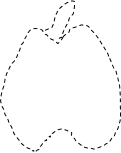
__________________________
12

_________________________
13.

________________________________
14.
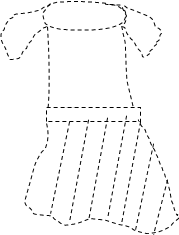
_____________________________
15.
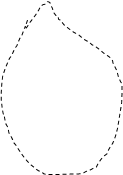
___________________________
RE-ARRANGE THE SCRAMBLE LETTERS
16. god = ___________________ 17. kucd= ____________________
18. rood = ___________________ 19. Kesd = ___________________ 20. Darc = ___________
Quantitative Reasoning Primary one (1) Examination Question First Term
OBJECTIVE PARTS: SECTION A
FILL IN THE GAPS WITH THE MISSING NUMBERS
- 7 , 8 ______ , _______ 11
- 10, ________ 12 __________ 14
- 14 ________ 15 ________ , ______19
- 23 _______ ________ _________27
- _______ , ________ 8 ______, ________11
- _______ 15 _________, __________ 18


SECTION D
CIRCLE THE LARGEST NUMBERS IN EACH GROUP
16. 6 7 8 9
17. 20 28 32 16
18. 36 37 29 28
19. 11 21 20 18
20. 2 6 7 10
Verbal Reasoning Primary one (1) Examination Question First Term
OBJECTIVE PARTS: SECTION A
ANSWER ALL QUESTION CORRECTLY
| S/N | Words | Vowel | Consonant |
| 1 | Meat | 2 | 2 |
| 2 | Left | ||
| 3. | Gave | ||
| 4. | Ate | ||
| 5. | Send | ||
| 6. | Socks | ||
| 7. | School | ||
| 8. | Bag | ||
| 9. | Doll | ||
| 10. | Table | ||
| 11. | Chalk | ||
| 12. | Rain | ||
| 13. | Shout | ||
| 14. | Dog |
Use the sample below to answer the following question
| 2 | 1 | 7 |
| b | a | g |
| 8 | 5 | 14 |
| h | e | n |
15
| 13 | 1 | 20 |
16.
| 19 | 1 | 20 |
17.
| 8 | 1 | 20 |
18
| 16 | 5 | 20 |
19.
| 2 | 5 | 20 |
20.
| 16 | 9 | 14 |
21.
| 19 | 9 | 14 |
22.
| 11 | 9 | 14 |
Quantitative Reasoning Primary one (1) Examination Question First Term
Choose the correct answer from the options:
Count the zeros and write down the number.
1. 0 0 0 0 0 0 0 0 0 0 0 0. [a] 10 [b] 4 [c] 2
2. 0 0 0 0 0 0 0 0 0. [a] 5 [b] 4 [c] 7
Circle out the biggest number:
3. 200, 16, 114, 314
4. 84, 100, 60, 10
Fill the missing number:
5. 41 42 ______ ______ 45
6. 73 ______ 75 ______ 77
7. 12 13 ______ 15 ______
Circle out the smallest number:
8. 2, 3, 4, 5, 6
9. 98, 48, 68, 99, 41
Re – arrange numbers:
10. 9, 6, 8, 11, 7, 10 =
11. 20, 22, 19, 23, 21, 12, =
12. 14, 16, 17, 18, 20, 19 =
Do these:
13. 2 + 2 + 1 = [a] 5 [b] 4 [c] 6
14. 3 X 1 = [a] 3 [b] 1 [c] 4
15. 2 x 2 x 2 = [a] 8 [b] 9 [c] 6
SECTION B
Answer all the questions.
1. Count in 2’s.
Sample: 2 4 6 8 10
a. 6 , 8 ________ ________ 14
b. 12 ________ 16 ________ 20
c. 14 ________ 18 ________ 22
d. 20 ________ ________ 24
2. Write out the biggest and smallest number.
Sample: 16 24 20 70 46 = 16, 70
a. 19 66 120 50 100 = ________ and ________
b. 14 22 30 60 10 = ________ and ________
c. 33 140 115 120 99 = ________ and ________
d. 65 14 23 12 11 = ________ and ________
3. Re – arrange.
Sample: 2 4 1 5 6 3 —-> 1 2 3 4 5 6
a. 9, 6, 8 , 11, 7, 10 ——–> ______________________________
b. 15, 17, 14, 18, 16 ——–> ______________________________
c. 20, 22, 19, 23, 21 ——-> ______________________________
d. 31, 33, 30, 34, 32 ——–> ______________________________
4. Add the following numbers:
Sample: 2 and 3 = 2 + 3 = 5
a. 5 and 2 =
b. 3 and 4 =
c. 7 and 3 =
d. 8 and 6 =
5. Subtract the following numbers:
Sample:
- 5 and 2 = 5 – 2 = 3
- 2 and 5 = 2 – 5 = – 3
a. 8 and 3
b. 5 and 7
c. 7 and 2
d. 6 and 10
Ede Yoruba Primary one (1) Examination Question First Term
SECTION A Choose the correct answer from the options:
KILASSI: OLODUN KINI BASIC ONE (1)
SUBJECT: YORUBA
DAHUN AWON IBEERE WONYI
- Iro _______ ni o bere alifabeti Yoruba (a) B (b) A
- Di alafo yi: A B ______ E E (a) M (b) D
- ________ se Pataki fun omoluabi (a) ikini (b) iro pipa
Igba wo ni a maa nki eniyan bayi:
- E kaaro o (a) Aaro (b) Osan
- E kale o (a) Oru (b) Ale
- E kaasan o (a) Osan (b) Aaro
- Ojo _______ lo wa ninu ose (a) meji (b) meje
Kini oruko awon ojo wonyi ni ede Yoruba:
- Monday (a) Aje (b) Ojobo
- Friday (a) Eti (b) Aiku
- Tuesday (a) Ojoru (b) Isegun
- Imototo se Pataki (a) beeni (b) Beeko
- Ojuse omo ni lati _______ (a) jale (b) gbale
- Ojuse obi ni lati _________ (a) sanwo ile eko (b) pa omo
- Itoju ara maa nfa aisan (a) Beeko (b) beeni
- Iro “B” duro fun _____ (a) Aja (b) Bata
- Iro “A” dun fun _______ (a) gele (b) Aja
- O dara lati maa we (a) beeni (b) Beeko
- Kini “2” ni onka Yoruba (a) ookan (b) Eeji
- 10 ni onka Yoruba (a) Eewa (b) Eeta
- Iya ati baba ni a npe ni _______ (a) obi (b) tabili
Yoruba Objectives (OBJ) Questions Answers
1.B 2.B 3.A 4.A 5.B 6.A 7.A 8.B 9.A
10.A 11.B 12.B 13.A 14.A 15.B 16.B 17.A
18.B 19.A 20.A
Dáhùn àwọn ìbéèrè wọn yìí lè kún rẹrẹ
1. Di àwọn alifabeeti èdè Yorùbá wọn yìí
A ______ D _______ Ẹ _______ _______
GB H I _______ _______ L _______
O _______ P _______ S S _______ U
W Y
2. Kọ àwọn faweeli èdè Yorùbá
________ _________ _________ _________
________ _________ _________
3. Fala sì di àwọn ónka tí ó yẹ.
i. 10 – ( Èéwa, Éérìn, Eeta)
ìí. 3 – ( Eeta, Eeji, Eesan)
iii. 6 – ( Eejo Eéfà, Eeje)
iv. 4 – ( Eeji, Éérìn, Ookan)
v. 7 – (Eéfà, Èéwa, Eeje)
4. Kọ ọ̀rọ̀ oni lẹ́tà méjì ni óna márùn-ún.
i. ________________. ii. ________________
iii. _______________ iv. _______________
v. _______________
5. Fala sidi orúkọ àwọn nkan ti o wa ninu ọgbà ilé ìwé wá ní èdè Yorùbá.
i. Classroom – ( Yara ikawe, Yàrá íbusun )
ii. Drum – ( Aṣọ, ìlú )
iii. Flower – (Òdòdó, Odada )
iv. Gate – ( Geeti, Gaati )
v. Chair – ( Aga, Ajá )
6. Di àwọn àlàfo orín yìí :
Ojo ń _______. Ṣere _______ ile
Má _______ nù ________. Kí aṣọ ________
Ma _______ tútù. Kí ________ ma bá _______ ó.
Read More
Primary 2 Examination Questions For First Term
Primary 1 Examination Questions For First Term
Primary 3 Examination Questions For First Term
Primary 4 Examination Questions For First Term
Primary 5 Examination Questions For First Term
Primary 6 Examination Questions For First Term
Primary 1 Examination Questions For Second Term
Primary 2 Examination Questions For Second Term
Primary 3 Examination Questions For Second Term
Primary 4 Examination Questions For Second Term
Primary 5 Examination Questions For Second Term
Primary 6 Examination Questions For Second Term
Primary 1 Examination Questions For Third Term
Primary 2 Examination Questions For Third Term
Primary 3 Examination Questions For Third Term
Primary 4 Examination Questions For Third Term

